
Designing a scalable performance and communication system to make inventory decisions predictable and actionable.
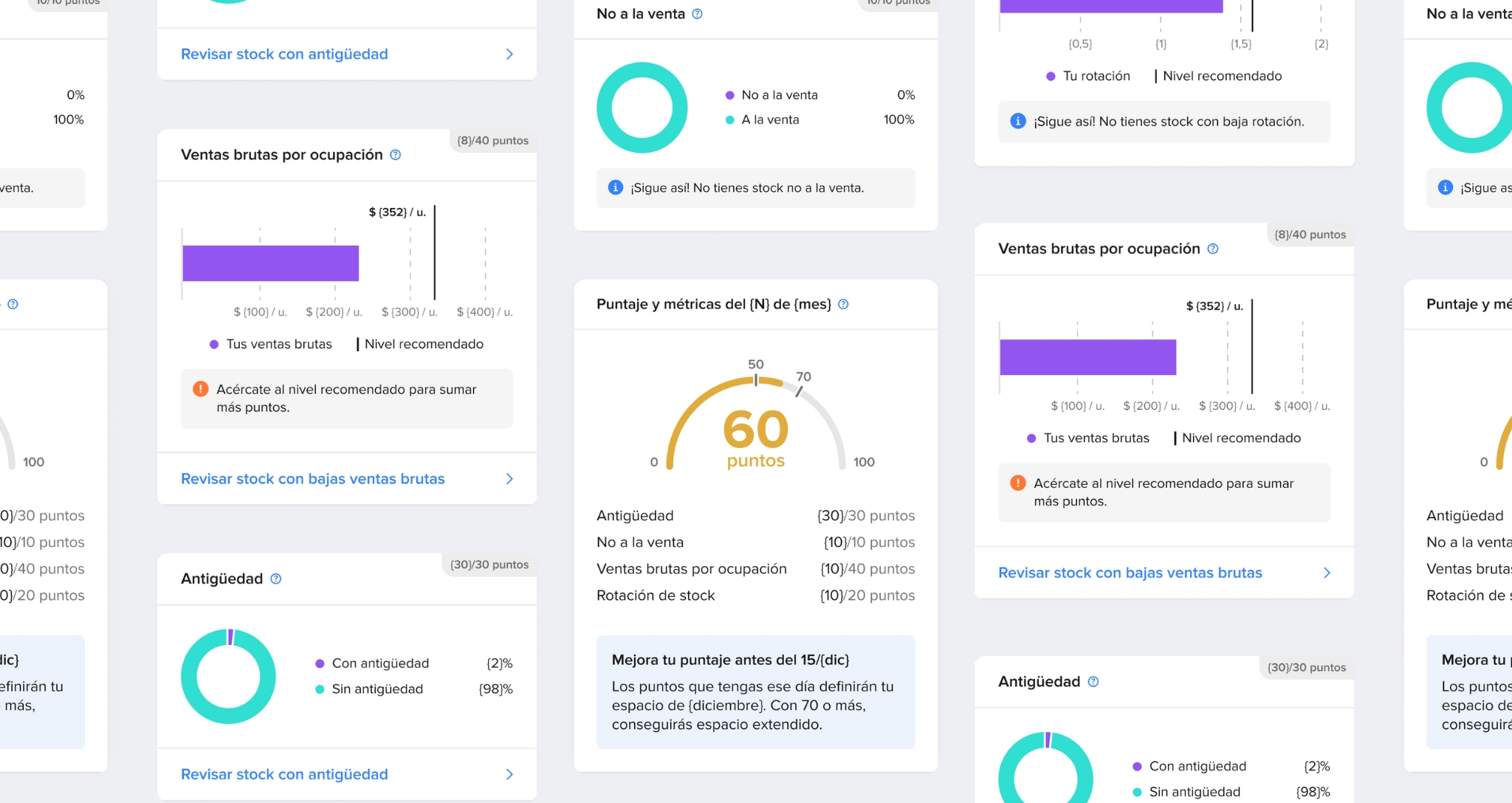
The Inventory Performance Index (IPI) defines how storage space is assigned to sellers within Mercado Libre’s fulfillment network.
The existing IPI model relied on rigid score thresholds and mixed metrics with different units and timeframes. This caused abrupt changes in storage allocation, low predictability for sellers, and a high volume of support contacts.
Sellers struggled to understand how their actions impacted their score, how performance evolved over time, and how to anticipate changes in available storage. At the same time, the business depended on manual exceptions to keep high-performing sellers operational.
Redesign the IPI as a clear, predictable, and behavior-based system that sellers could understand and act on, while enabling scalable and efficient storage allocation across the fulfillment network.
— Clear, comparable performance metrics
— Visibility into score evolution over time
— Reduced operational friction and manual exceptions
I worked as a UX Content Designer within a multidisciplinary team. My responsibilities included:
— UX writing for performance dashboards and system states
— Content strategy for metrics, thresholds, and explanations
— Redefinition of metric naming and logic
— Communication strategy for performance-based systems
We analyzed seller behavior, historical performance data, and support contacts to identify where confusion and friction originated.
From a content perspective, we defined a guiding principle for the system:
help sellers understand what to do next, not just what their score is.
This principle shaped how metrics, thresholds, and system feedback were structured and explained.
We simplified and standardized the performance model by aligning metrics under consistent timeframes and comparable units.
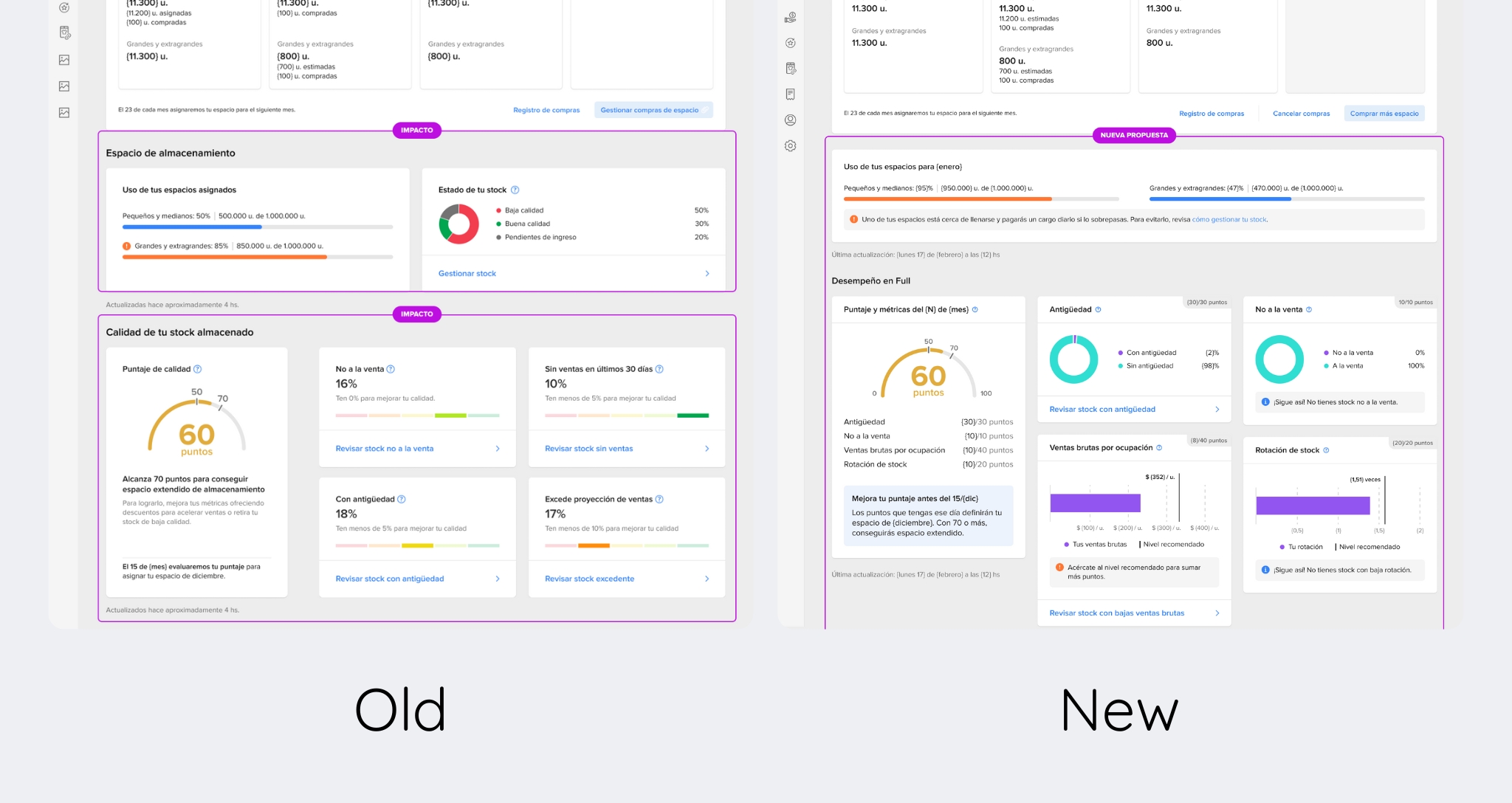
Each metric was rewritten to explain its purpose, impact, and the actions required to improve performance, helping sellers link decisions to outcomes.
We designed a clear communication framework across dashboards and system messages to explain how inventory performance works and how seller behavior impacts storage over time.
By using the same mental model across touchpoints, the system shifted from reactive control to proactive decision-making.
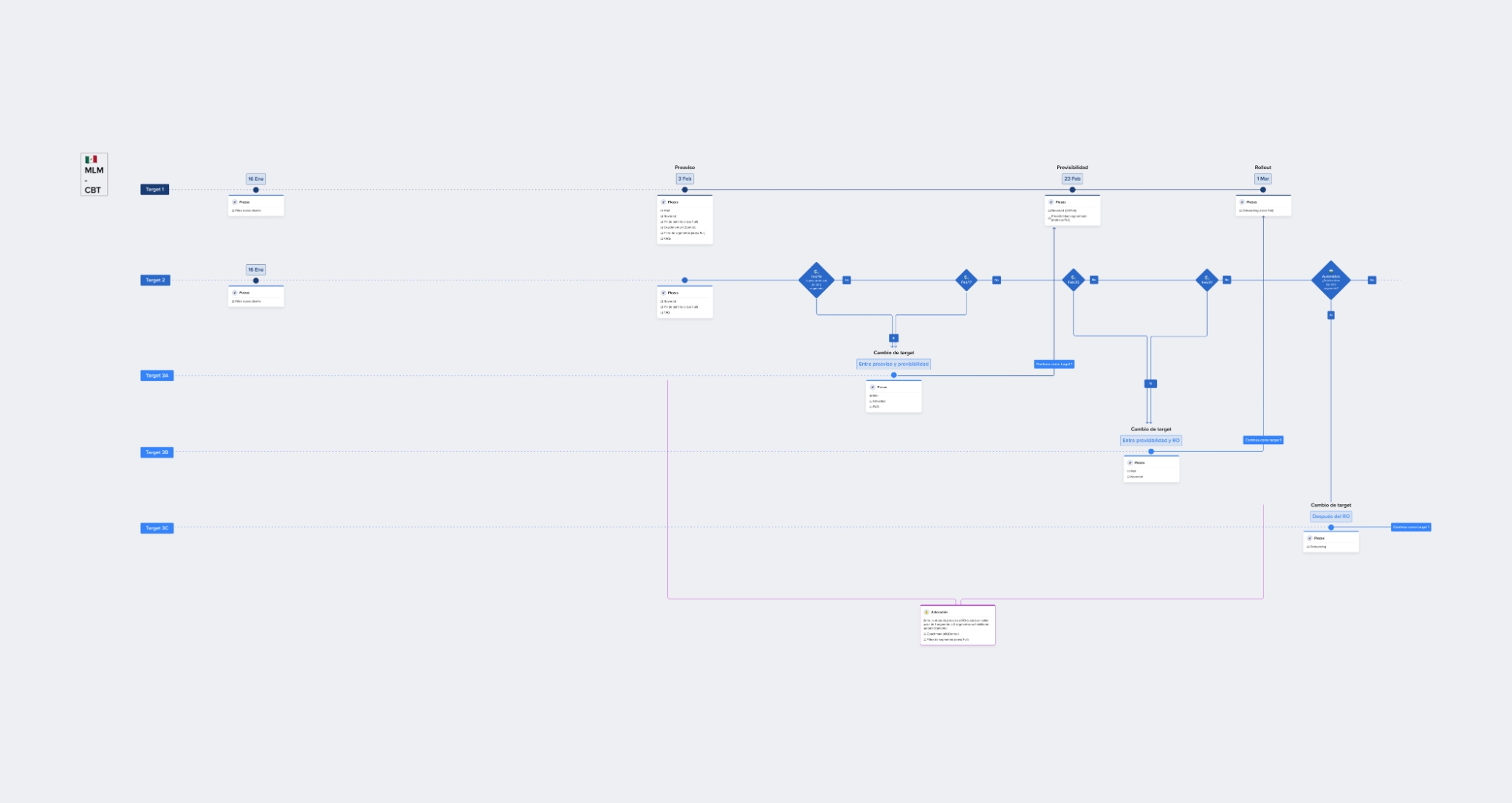
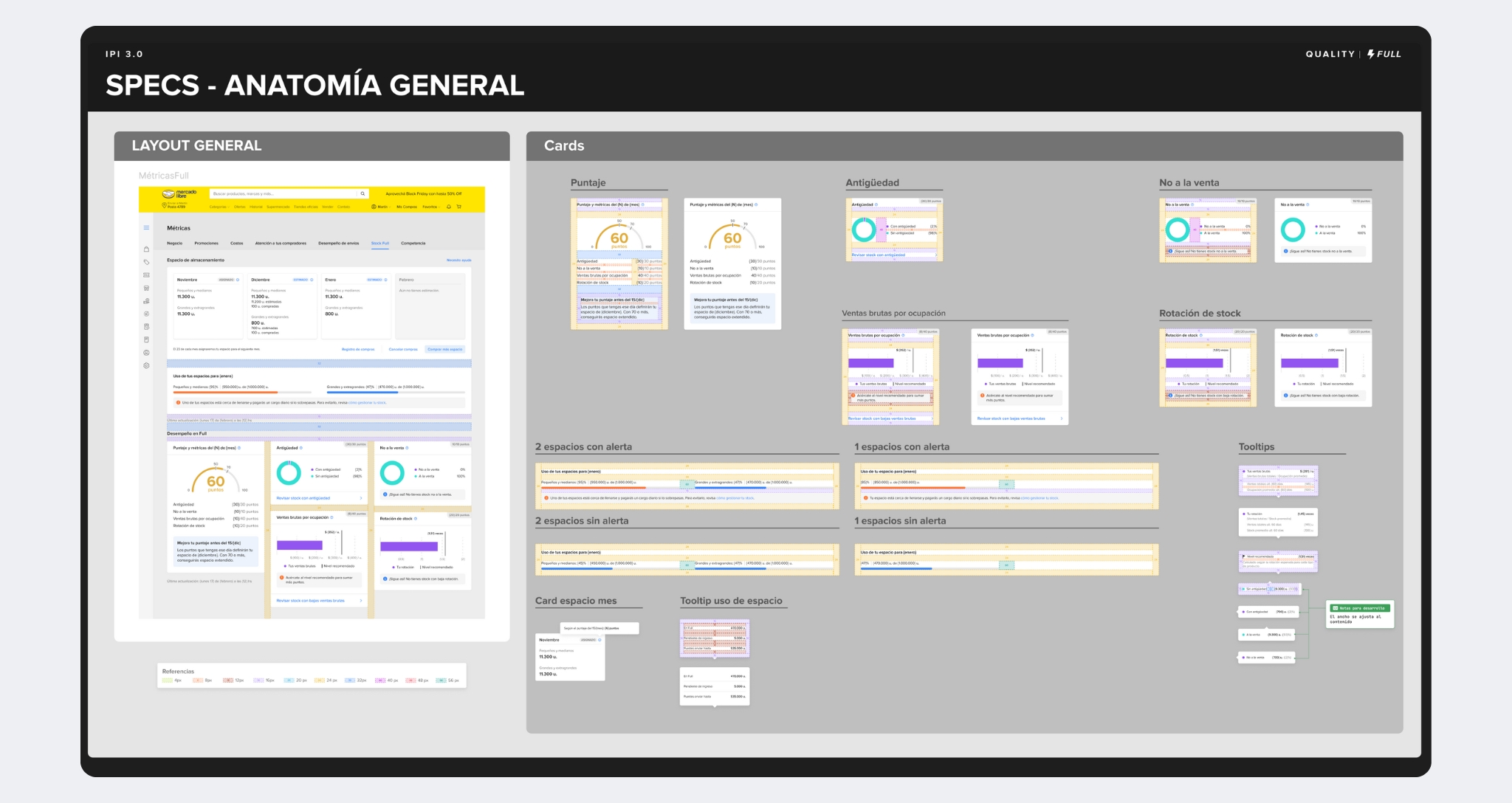
We documented metric logic, content principles, and state-based messaging to support consistency and scalability across regions.This allowed teams to reuse and evolve the system without redefining core concepts.
The redesigned Inventory Performance Index is scheduled to launch in Q1 2026.
While no quantitative results are available yet, the new model establishes a scalable foundation to improve predictability, reduce support dependency, and optimize long-term storage efficiency.
Post-launch impact will be measured through seller contact rate, storage utilization, and sustained performance trends.
Whether you’re hiring, building something new, or just want to connect, I’d love to hear from you.